Dirt Work in Marshville, North Carolina
Precision Dirt Work Built for Lasting Results
Dirt work is where every successful project truly begins—beneath the surface, where stability, drainage, and long-term performance are determined long before anything visible takes shape. At Carolina Farm & Forest Service, we approach dirt work as a foundational discipline, combining experience with a deep understanding of soil behavior, grading techniques, and structural preparation. With over 30 years of experience, every project is handled with intent, ensuring that each layer of soil supports what comes next with accuracy and consistency.
We serve Marshville, North Carolina, as well as the surrounding areas, including Monroe, Wingate, Wadesboro, and Indian Trail. Across Union County and nearby regions, soil composition, rainfall patterns, and seasonal changes directly impact how land settles and drains. Dirt work here requires more than basic movement of earth—it demands careful evaluation of terrain, moisture levels, and grading requirements to ensure that surfaces remain stable and functional throughout the year.
Our approach focuses on creating balance within the land itself. From initial clearing to final grading, every step is aligned with long-term usability and structural integrity. The goal is not just to prepare land, but to shape it in a way that supports durability, efficiency, and consistent performance over time, regardless of changing environmental conditions or usage demands. Start your project with a foundation built for performance—connect with our team today to plan your dirt work with precision and confidence.
Our Dirt Work Services
Land Clearing and Site Preparation
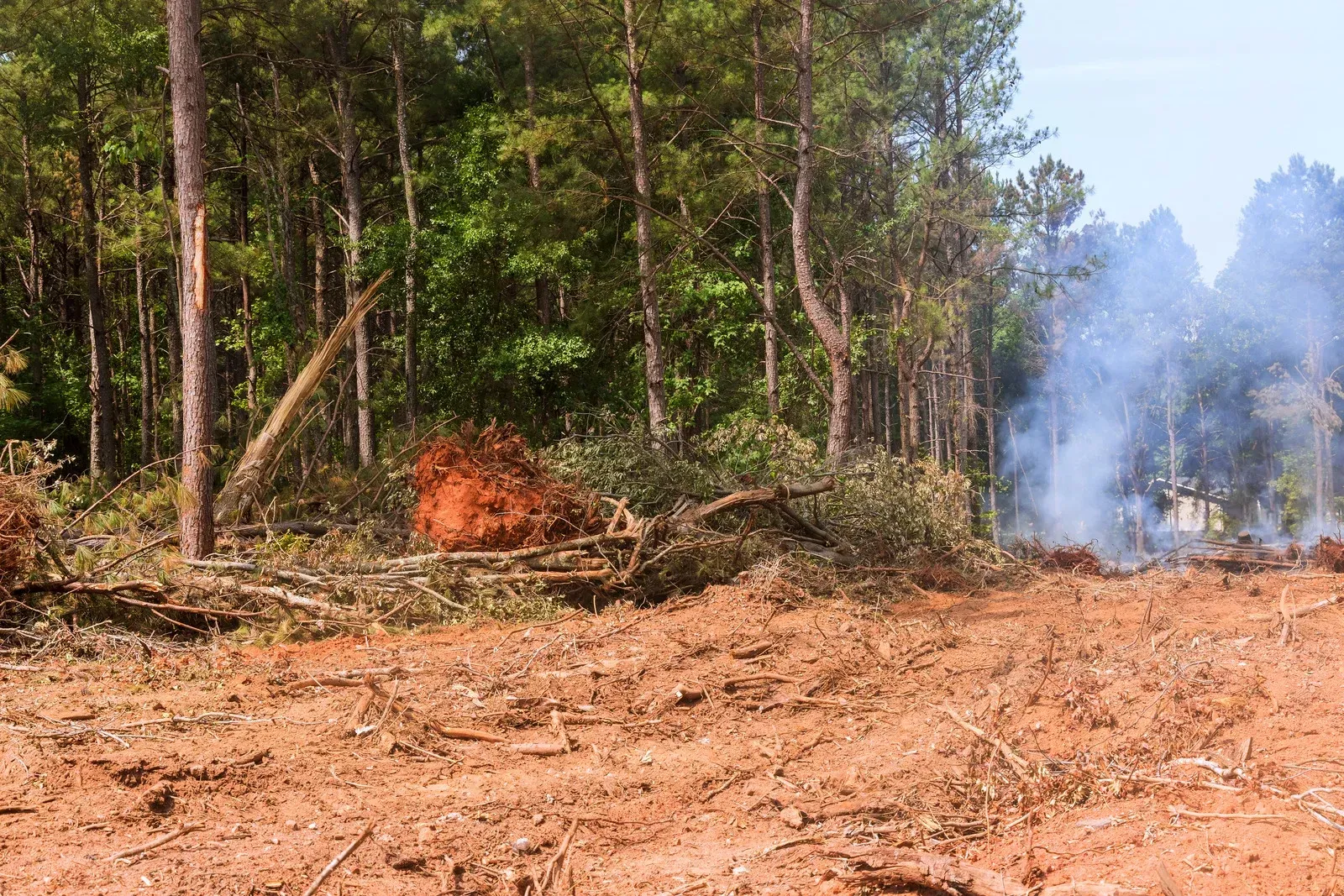
We begin by removing debris, vegetation, and obstacles that interfere with proper land use. This process prepares the site for further work, ensuring a clean and workable surface. Each step is handled with precision to maintain soil integrity while creating a stable starting point for development.
Grading and Leveling
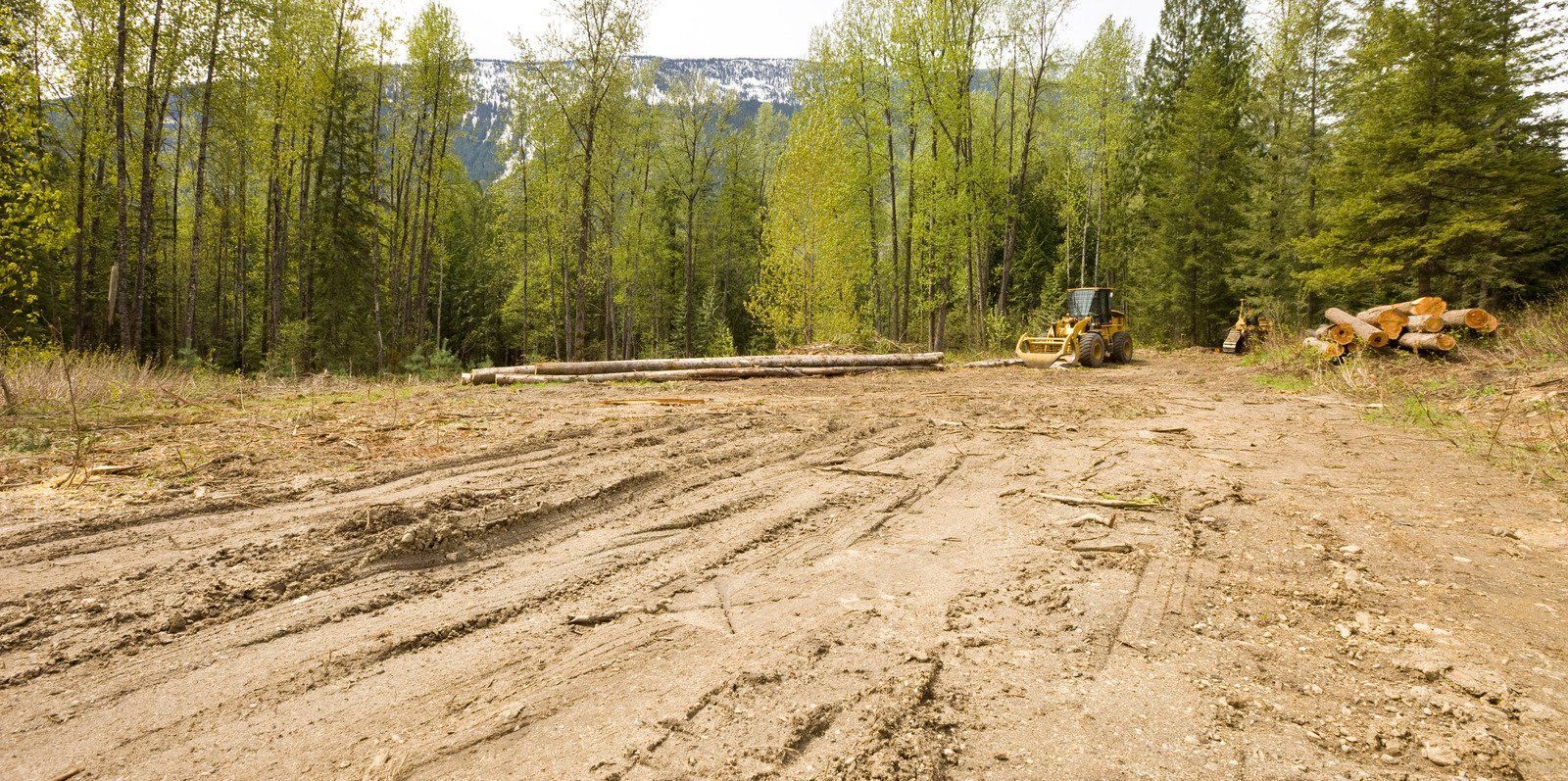
Grading shapes the land to achieve proper elevation and slope. We focus on creating balanced surfaces that support drainage and usability. By leveling uneven terrain and correcting grade inconsistencies, the result is a surface that performs reliably and aligns with structural and environmental requirements.
Excavation and Soil Movement
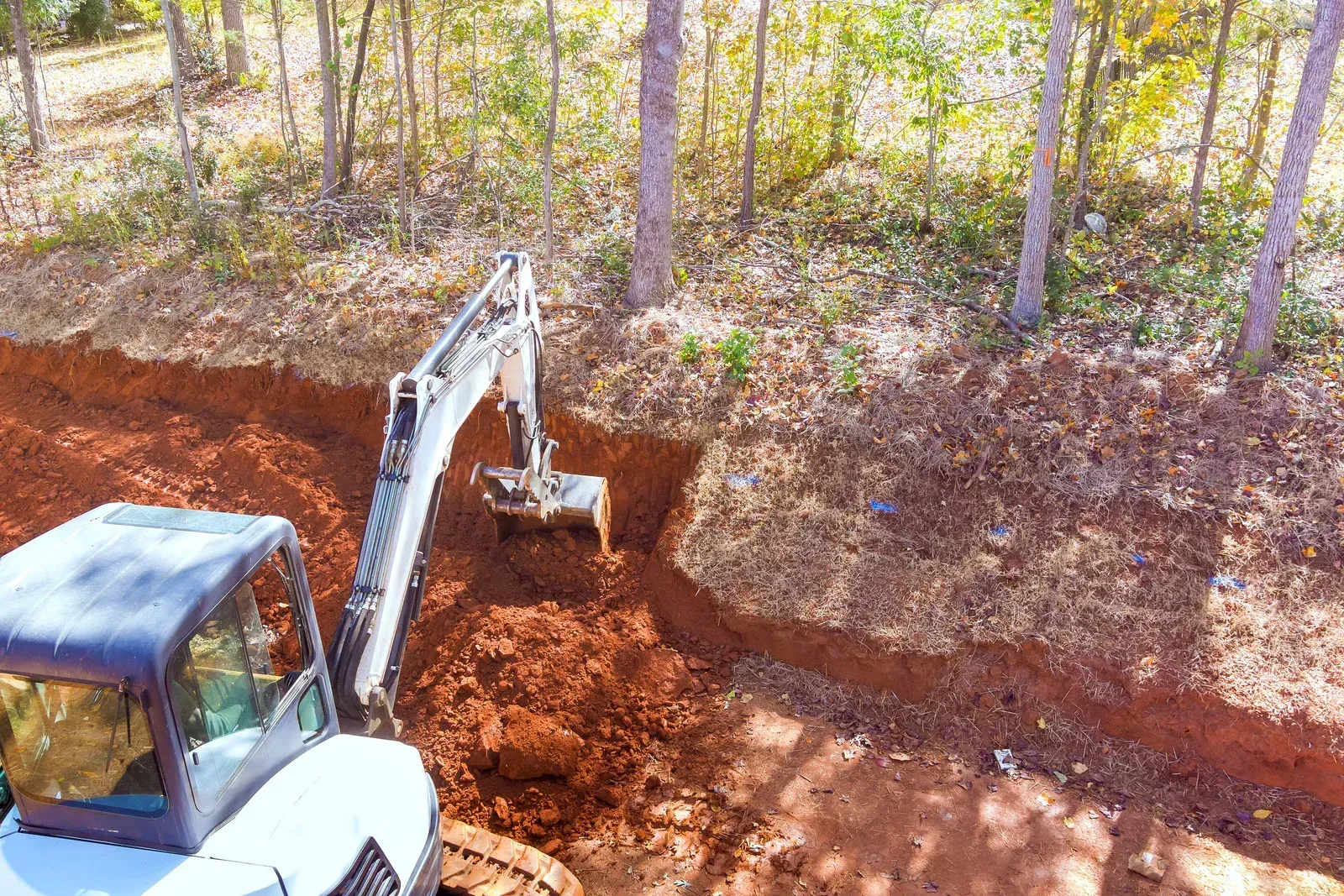
Excavation involves precise removal and relocation of soil to achieve desired depths and contours. We manage soil movement carefully to maintain stability and avoid disruption to surrounding areas. This process supports construction, drainage systems, and landscape development with accurate and controlled execution.
Driveway and Access Road Preparation
Creating durable driveways and access paths requires proper base preparation. We focus on grading, compaction, and material placement to ensure surfaces remain stable under regular use. This results in pathways that resist wear, maintain alignment, and provide consistent access across varying conditions.
Drainage Correction and Water Management
We address drainage issues by reshaping land to guide water flow effectively. This includes creating slopes, channels, and runoff paths that prevent pooling and erosion. Proper drainage ensures that the property remains protected and functional, even during periods of heavy rainfall or seasonal shifts.
Final Grading and Finishing
The final stage ensures that all surfaces are smooth, balanced, and ready for use. We refine the terrain to meet specific project requirements, whether for construction, landscaping, or open land use. This step delivers a finished surface that supports long-term performance and visual consistency.
Benefits of Professional Dirt Work
Improved Soil Stability and Load Support
Proper dirt work ensures that soil is compacted and structured to support weight effectively. By addressing inconsistencies and weak areas, the ground becomes more stable, reducing risks of settling or shifting. This creates a reliable base for construction, landscaping, and long-term property use.
Enhanced Drainage and Water Control
Grading and soil shaping play a critical role in managing water flow. Dirt work directs runoff away from structures, preventing pooling and erosion. By establishing proper slopes and drainage paths, the land remains protected from water damage while maintaining functionality during heavy rainfall and seasonal weather changes.
Long-Term Structural Integrity
A well-prepared foundation prevents future issues such as cracks, uneven surfaces, and structural instability. Dirt work ensures that underlying soil conditions are optimized before construction begins, allowing buildings, driveways, and other features to maintain their integrity and performance without costly repairs or adjustments later.
Efficient Land Utilization
Dirt work transforms uneven or unusable land into functional space. By leveling, reshaping, and preparing terrain, properties can be adapted for a wide range of uses. This improves accessibility, maximizes usable area, and allows for better planning and development of both residential and commercial spaces.
Reduced Maintenance Requirements
When land is properly graded and stabilized, ongoing maintenance needs are significantly reduced. Dirt work minimizes erosion, prevents drainage issues, and creates surfaces that hold their form over time. This results in fewer repairs, less upkeep, and a more dependable environment for long-term use.
Increased Property Value and Usability
Well-executed dirt work enhances both the appearance and functionality of a property. By creating level surfaces, proper drainage, and stable ground conditions, the overall usability improves. This adds value by making the land more suitable for construction, landscaping, and everyday use without limitations.
Build Strong Ground Conditions That Support Long-Term Use
Every successful project depends on what lies beneath the surface, and that is where true performance is defined. At Carolina Farm & Forest Service, dirt work is approached with discipline, precision, and a clear understanding of how land behaves over time. Each phase, from initial preparation to final grading, is handled with attention to detail to ensure stability, proper drainage, and long-term usability. In Marshville, North Carolina, where soil conditions and seasonal changes influence how land performs, this level of preparation becomes essential.
By focusing on structure, balance, and efficiency, we create surfaces that are ready to support construction, landscaping, and daily use without compromise. The result is land that performs consistently, remains dependable, and continues to deliver value long after the work is complete.
Frequently Asked Questions
What is dirt work and why is it important?
Dirt work involves preparing and shaping land to create stable, functional surfaces. It includes grading, excavation, and soil compaction. This process is essential because it establishes the foundation for construction, drainage, and landscaping, ensuring that the land performs reliably and supports long-term structural integrity without unexpected issues or costly repairs.
How do I know if my property needs dirt work?
Signs include uneven terrain, water pooling, erosion, or unstable ground conditions. If construction or landscaping is planned, dirt work is typically required to prepare the site. Evaluating soil stability and drainage helps determine whether grading or excavation is necessary to improve performance and usability of the land.
How long does a dirt work project usually take?
Project timelines vary depending on size, terrain, and scope of work. Smaller grading projects may take a few days, while larger site preparations can extend over several weeks. Factors such as soil conditions, weather, and accessibility also influence how efficiently the work can be completed.
Can dirt work help with drainage problems?
Yes, dirt work is one of the most effective ways to correct drainage issues. By reshaping land and creating proper slopes, water can be directed away from structures and low areas. This prevents pooling, reduces erosion, and improves overall land performance during heavy rainfall or seasonal changes.
Is dirt work necessary before construction?
Dirt work is essential before construction begins. It ensures that the ground is stable, level, and properly prepared to support structures. Without proper preparation, issues such as settling, cracking, and drainage problems can occur, leading to long-term structural challenges and increased maintenance costs.
What types of equipment are used in dirt work?
Dirt work typically involves equipment such as excavators, bulldozers, graders, and compactors. Each machine serves a specific purpose, from moving soil to leveling surfaces and ensuring proper compaction. The right combination of equipment allows for precise execution and efficient completion of the project.
How does Carolina Farm & Forest Service handle dirt work projects in Marshville, North Carolina?
Carolina Farm & Forest Service approaches dirt work in Marshville, North Carolina with a focus on soil evaluation, precise grading, and long-term performance. Each project is carefully planned to address local conditions, ensuring stability, proper drainage, and reliable results that support both immediate use and future development.
What makes dirt work different in Marshville, North Carolina, compared to other areas?
In Marshville, North Carolina, soil composition, rainfall, and seasonal changes create unique challenges. Carolina Farm & Forest Service adapts dirt work methods to these conditions, focusing on proper grading and compaction. This ensures that land remains stable, drains effectively, and performs consistently despite environmental variations.
What our customers have to say...
Testimonials