Tree Trimming in Marshville, North Carolina
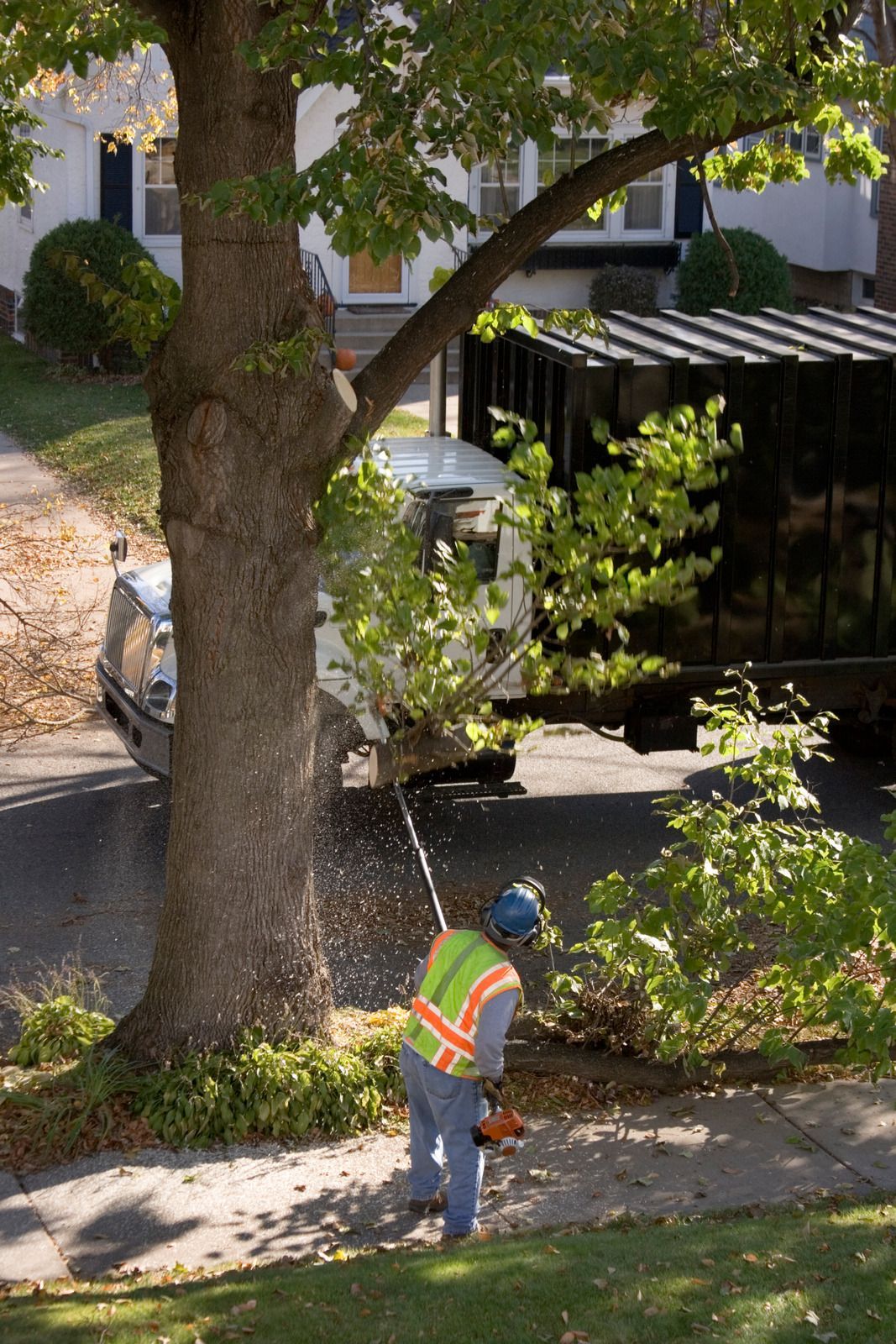
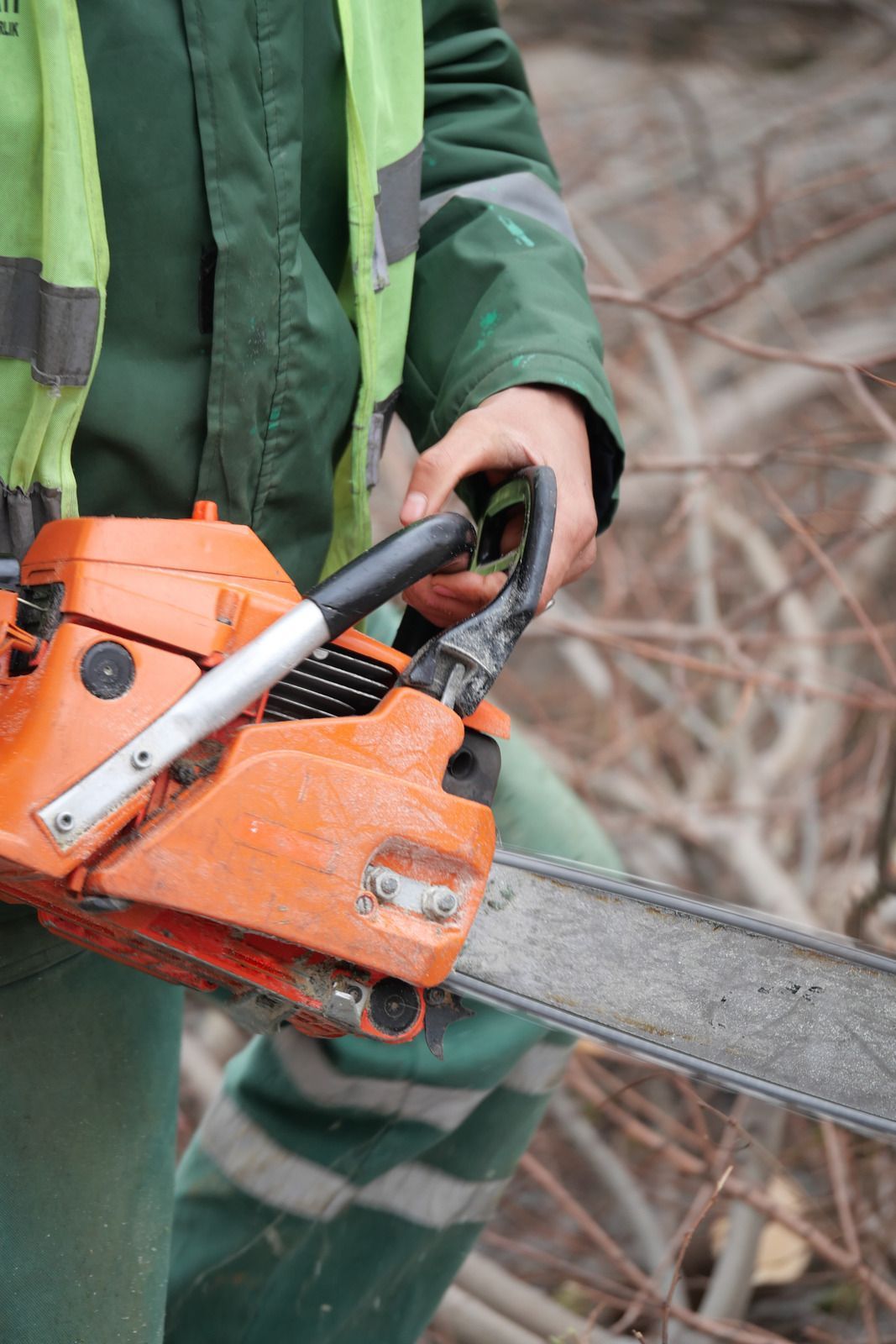
Ground Level Tree Trimming for Safer Controlled Growth
Tree growth does not become a problem overnight—it builds gradually, extending into structures, blocking light, and creating hidden risks that affect how a property functions. At Carolina Farm & Forest Service, tree trimming is handled with a clear, controlled approach focused on managing growth that can be safely reached from the ground. This allows for precise shaping, removal of overextension, and improved structure without introducing unnecessary risk or disruption. Instead of aggressive cutting or invasive methods, each adjustment is made with purpose, maintaining balance while restoring visibility, safety, and usability across the property.
We serve Marshville, North Carolina, as well as the surrounding areas, including Wingate, Monroe, Weddington, and Indian Trail. In Union County, trees are influenced by seasonal growth cycles, humidity, and changing weather patterns that can lead to uneven expansion and overgrowth. Ground-level trimming in this region requires consistency and attention to detail, ensuring that trees remain controlled without overcutting or destabilizing their natural structure. By focusing on reachable areas, trimming becomes a practical and repeatable method for maintaining property conditions over time.
With over 30 years of experience, our approach emphasizes precision, safety, and long-term results. Every cut is made to support healthier growth patterns while reducing hazards and improving accessibility. By focusing on controlled, ground-based techniques, tree trimming becomes a reliable way to maintain order, protect surrounding structures, and ensure that trees continue to support the overall function and appearance of the property.
Our Tree Trimming Services
Ground-Level Branch Trimming
Ground-level branch trimming focuses on removing overgrown or obstructive branches that can be safely reached without climbing. This method ensures controlled cuts that improve safety, visibility, and structure while maintaining stability and avoiding unnecessary disruption to the tree’s natural growth patterns.
Overgrowth Control and Shaping
Overgrowth control involves trimming excess branches to maintain manageable size and shape. This prevents trees from expanding into unwanted areas while preserving balance. The process supports healthier development and ensures that trees remain aligned with property layout and long-term maintenance needs.
Property Line and Clearance Trimming
Trimming along property lines and clearances ensures that trees do not interfere with boundaries, fences, or nearby structures. This service maintains defined edges, improves access, and prevents encroachment, allowing properties to remain organized and compliant with surrounding space requirements.
Visibility and Light Enhancement Trimming
This service focuses on improving light flow and visibility by selectively removing obstructive branches. Opening up dense areas, it creates a brighter and more functional outdoor environment while maintaining the natural structure of the tree and avoiding excessive or unnecessary cutting.
Routine Maintenance Trimming
Routine trimming ensures consistent control over tree growth throughout the year. By addressing minor overgrowth regularly, it prevents larger issues from developing. This keeps trees manageable, reduces long-term maintenance needs, and supports ongoing property upkeep without major intervention.
Low-Height Hazard Reduction
Low-height hazard reduction targets branches that pose risks to movement, structures, or daily use areas. Removing these hazards improves safety while maintaining tree stability. This approach ensures that commonly used spaces remain clear, functional, and free from unnecessary obstruction.
Benefits of Tree Trimming
Improves Safety Around Structures and Walkways
Regular tree trimming reduces the risk of branches interfering with roofs, walkways, and utility areas. By removing overextended growth, hazards are minimized, improving overall safety. This controlled approach ensures that trees remain an asset to the property rather than a source of potential damage or obstruction.
Enhances Property Visibility and Light Flow
Trimming overgrown branches improves natural light penetration and visibility across the property. This creates a more open and functional environment, allowing better use of outdoor spaces while maintaining tree structure. Improved visibility also contributes to safer navigation and better overall property management.
Encourages Healthier Tree Growth Patterns
Removing excess or poorly positioned branches allows trees to grow more evenly and efficiently. Controlled trimming reduces stress on the tree, promotes balanced development, and helps prevent structural weaknesses. This results in stronger, more stable trees that are easier to maintain over time.
Reduces Maintenance and Long-Term Issues
Consistent trimming prevents overgrowth that can lead to costly issues later. By managing growth early, it reduces the need for major corrective work and helps maintain tree condition. This proactive approach supports long-term property maintenance while minimizing unexpected complications or damage.
Maintains Clear Access Across the Property
Overgrown branches can restrict movement and limit access to different areas of a property. Tree trimming clears pathways, driveways, and open spaces, ensuring that the land remains usable and accessible. This improves functionality while maintaining a clean, organized outdoor environment.
Supports Balanced Landscape Appearance
Tree trimming helps maintain a consistent and organized appearance across the property. By shaping growth and removing irregular branches, it enhances visual balance without overcutting. This ensures that trees complement the landscape while remaining controlled and aligned with the overall layout.
Maintain Tree Structure Without Climbing or Heavy Equipment
Tree trimming is not about drastic changes—it is about consistent control that keeps growth aligned with how a property is used. At Carolina Farm & Forest Service in Marshville, North Carolina, every trimming project is handled with a focus on stability, safety, and long-term usability. By concentrating on ground-level methods, trimming remains practical, repeatable, and effective without introducing unnecessary risk or disruption.
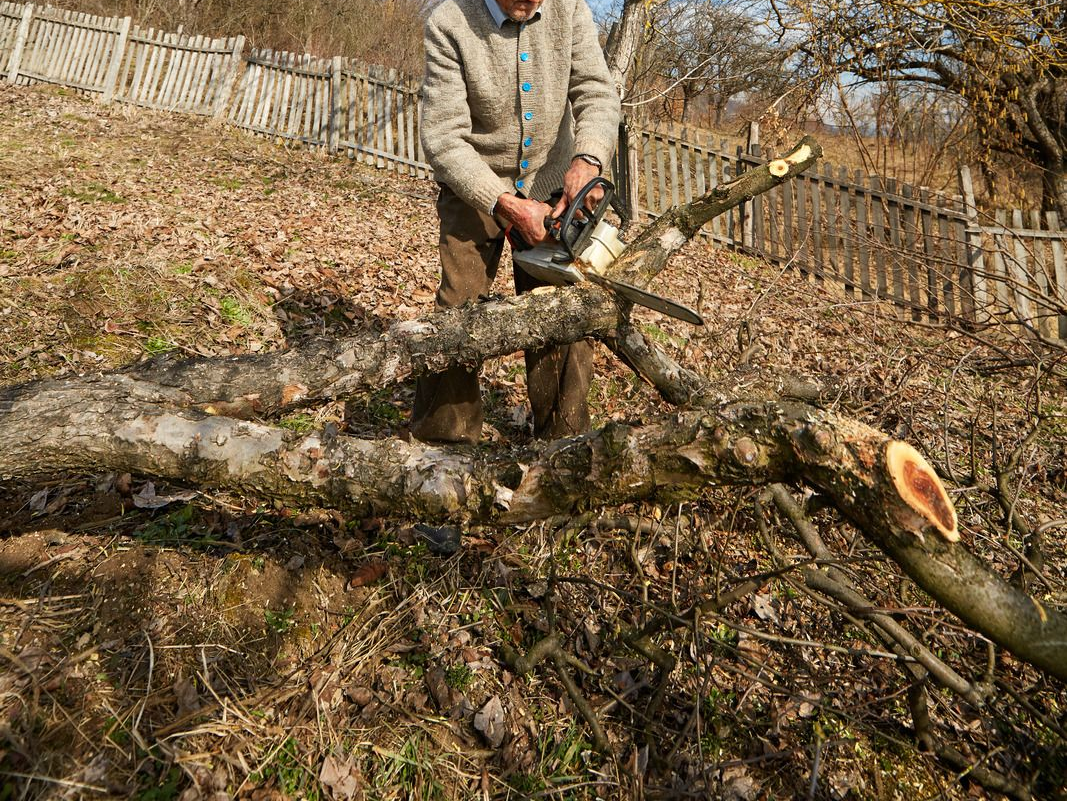
Each adjustment is made with purpose, ensuring that trees remain balanced while supporting the overall structure of the property. This approach allows for better visibility, safer movement, and improved maintenance across outdoor spaces. With a commitment to precision and dependable execution, tree trimming becomes a reliable solution for maintaining control over growth while preserving the natural function and value of the land.
Frequently Asked Questions
What type of tree trimming is performed?
Tree trimming focuses on branches that can be safely reached from the ground. This includes removing overgrowth, shaping trees, and improving clearance without climbing. The approach prioritizes safety, control, and consistency while maintaining the tree’s natural structure and supporting long-term growth and property usability.
Why is ground-level trimming important?
Ground-level trimming reduces risk while maintaining effective control over tree growth. It allows for precise cuts without the need for climbing or heavy equipment. This method ensures safer operations, minimizes disruption, and provides reliable results that support both tree health and property functionality.
How often should trees be trimmed?
Trimming frequency depends on growth rate, tree type, and property needs. Many trees benefit from regular maintenance every year or two to control overgrowth and prevent hazards. Consistent trimming helps maintain structure, reduces long-term issues, and ensures trees remain manageable and aligned with property use.
Will trimming damage the tree?
When done correctly, trimming supports tree health rather than harming it. Removing excess or poorly positioned branches reduces stress and promotes balanced growth. Controlled trimming helps trees develop stronger structures while preventing damage caused by overcrowding or uncontrolled expansion over time.
What areas benefit most from tree trimming?
Areas near structures, walkways, driveways, and property boundaries benefit the most. Trimming in these locations improves safety, visibility, and accessibility. It ensures that trees do not interfere with daily use while maintaining a clean and organized outdoor environment that supports long-term functionality.
Is tree trimming the same as tree removal?
Tree trimming focuses on managing growth and improving structure, while tree removal involves completely taking down a tree. Trimming is a maintenance process designed to preserve trees while controlling their impact on the property and preventing issues caused by overgrowth.
Why choose Carolina Farm & Forest Service in Marshville, North Carolina for tree trimming?
Carolina Farm & Forest Service in Marshville, North Carolina provides over 30 years of experience with a focus on safe, ground-level trimming methods. Each project is handled with precision and consistency, ensuring reliable results that support property safety, usability, and long-term maintenance without unnecessary risk.
Does trimming improve property maintenance overall?
Yes, trimming helps maintain control over tree growth, reducing hazards and improving accessibility. It supports easier upkeep, prevents interference with structures, and enhances the overall condition of the property. Regular trimming ensures that outdoor spaces remain functional, organized, and aligned with long-term use needs.
What our customers have to say...
Testimonials