Forestry Mulching in Marshville, North Carolina
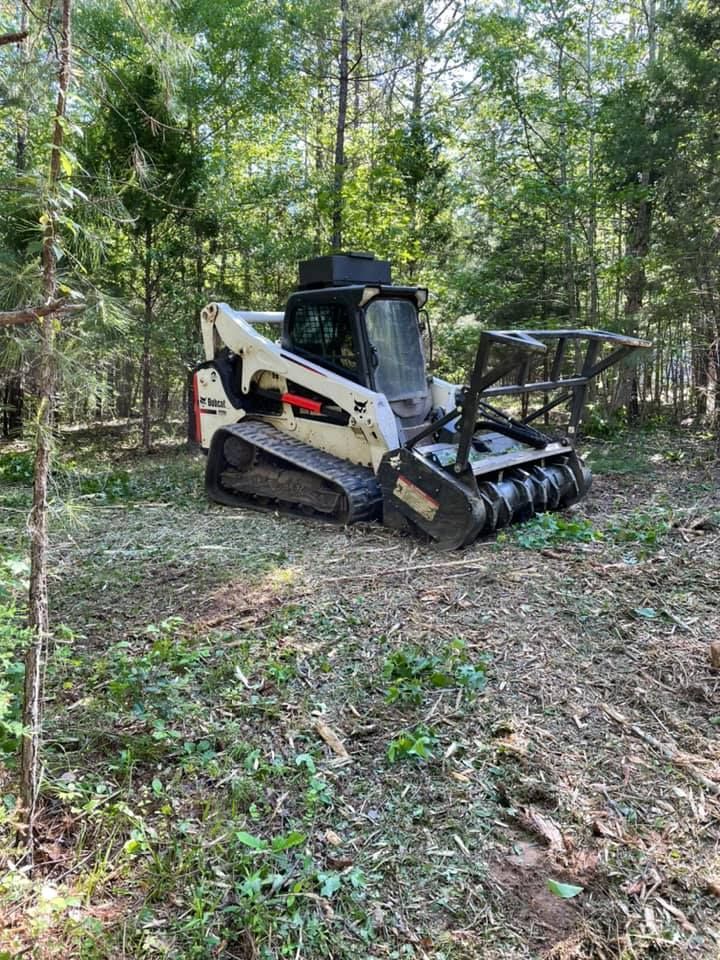
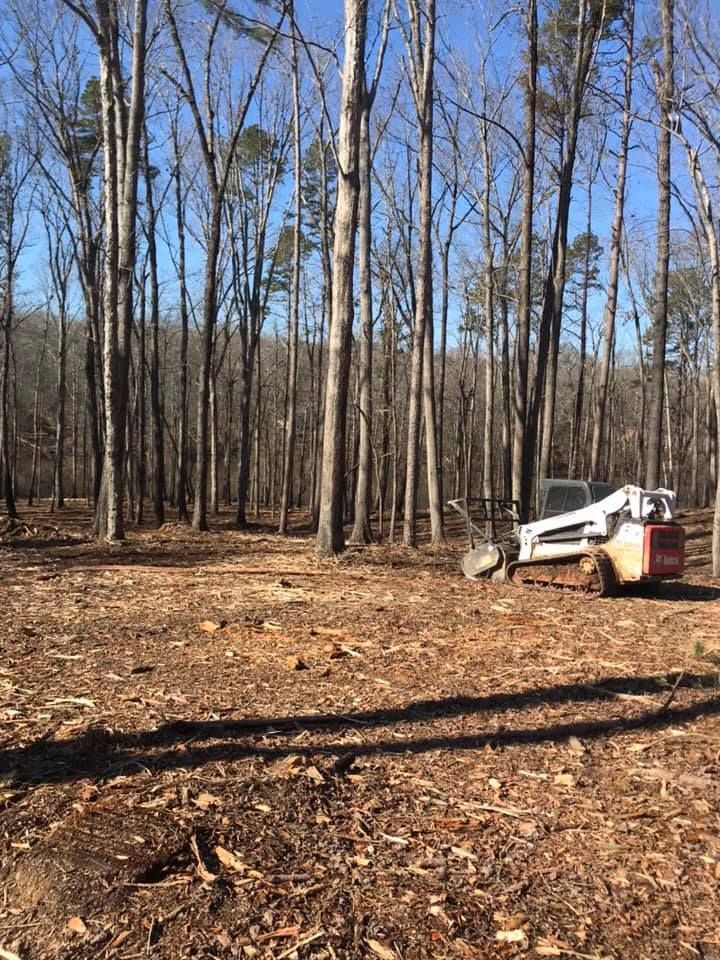
Efficient Forestry Mulching for Controlled Land Clearing
Land can quickly shift from usable to unmanageable when vegetation takes over, restricting access, hiding hazards, and limiting how a property functions. At Carolina Farm & Forest Service, forestry mulching is approached as a controlled, efficient solution designed to restore order without disrupting the natural balance of the land. Instead of traditional clearing that leaves behind debris and damage, vegetation is processed directly into mulch, creating a cleaner, more stable surface that supports future use while preserving soil integrity. This method allows land to be cleared with purpose, maintaining structure while improving usability across a wide range of property types.
We serve Marshville, North Carolina, as well as the surrounding areas, including Wingate, Monroe, Weddington, and Indian Trail. In Union County, properties often face rapid seasonal growth, shifting soil conditions, and dense underbrush that can quickly overtake open space. Forestry mulching in this region requires a method that works with the land, not against it, ensuring that clearing efforts improve usability while maintaining the natural structure that supports long-term performance. By addressing both surface growth and underlying conditions, the process creates a more stable and manageable environment.
With over 30 years of experience, our approach focuses on precision, efficiency, and practical results. Every project is planned to address both immediate clearing needs and future land use, ensuring that surfaces remain stable and accessible. By combining proven techniques with a deep understanding of land behavior, forestry mulching becomes more than clearing—it becomes a structured improvement that keeps properties functional, organized, and ready for continued use.
Our Forestry Mulching Services
Underbrush and Vegetation Clearing
Underbrush and vegetation clearing focuses on removing dense growth that restricts land use and visibility. We process small trees, brush, and invasive plants directly into mulch, creating a clean surface while preserving soil structure and improving accessibility for future land management or development purposes.
Trail and Pathway Creation
Creating trails and pathways improves accessibility across large or wooded properties. We clear defined routes through overgrown areas while maintaining surrounding vegetation balance. This ensures stable, usable pathways that support walking, equipment movement, and ongoing maintenance without unnecessary disruption to the landscape.
Lot and Land Preparation
Lot preparation through forestry mulching removes unwanted vegetation to prepare land for construction, landscaping, or agricultural use. We clear and process growth efficiently, leaving a stable, mulched surface that reduces erosion, improves usability, and creates a clean foundation for future development projects.
Right-of-Way and Fence Line Clearing
Right-of-way and fence line clearing ensures boundaries remain visible and accessible. We remove overgrowth along property lines, utility paths, and fencing areas, preventing obstruction and improving maintenance access. This process supports long-term property management and keeps essential areas clear and functional.
Invasive Species Removal
Invasive species can quickly overtake land and disrupt natural balance. Forestry mulching removes unwanted vegetation while preserving soil health, helping control regrowth and maintain a manageable landscape. This approach improves long-term land condition while reducing the need for repeated clearing or chemical treatments.
Property Restoration and Cleanup
Property restoration involves clearing neglected or overgrown areas to bring land back into usable condition. We remove dense vegetation, process debris into mulch, and restore structure across the surface. This creates a cleaner, more organized environment that supports future use, maintenance, and improved property value.
Benefits of Forestry Mulching
Efficient Land Clearing Without Excess Disruption
Forestry mulching clears large areas of vegetation quickly while minimizing disruption to the surrounding environment. Instead of hauling debris away, vegetation is processed on-site into mulch, reducing waste, limiting soil disturbance, and maintaining the natural ground structure for improved long-term land performance and usability.
Natural Erosion Control and Soil Protection
The mulch layer created during the process helps protect soil from erosion caused by wind and water. It acts as a barrier that retains moisture, stabilizes loose ground, and prevents runoff, supporting healthier soil conditions while maintaining the structural integrity of the property over time.
Improved Property Accessibility and Visibility
Overgrown land can limit access and reduce visibility, making it difficult to use or maintain. Forestry mulching removes dense vegetation and opens pathways, allowing easier movement across the property while improving sightlines. This enhances both safety and usability for residential, agricultural, or commercial purposes.
Reduced Need for Additional Cleanup
Because vegetation is processed into mulch during clearing, there is no need for extensive cleanup or hauling. This reduces labor, shortens project timelines, and eliminates leftover debris piles, creating a more efficient process that leaves the property clean, organized, and ready for immediate use.
Supports Healthier Land Regrowth
Forestry mulching removes invasive or unwanted vegetation while preserving beneficial soil conditions. Maintaining root systems and nutrient layers, it encourages controlled regrowth that is easier to manage. This helps create a healthier, more balanced landscape that supports long-term maintenance and sustainability.
Cost-Effective Land Management Solution
Compared to traditional clearing methods, forestry mulching reduces the need for multiple machines, transportation, and disposal costs. By combining clearing and mulching into a single process, it delivers efficient results while lowering overall expenses, making it a practical option for managing large or overgrown properties.
Transform Overgrown Land Into Functional Managed Outdoor Space
Forestry mulching is not simply about clearing what is visible—it is about reshaping how land functions over time. At Carolina Farm & Forest Service in Marshville, North Carolina, every project is approached with a focus on long-term performance, ensuring that cleared areas remain stable, manageable, and ready for continued use. By combining precision techniques with a deep understanding of land conditions, each project supports improved accessibility, reduced maintenance, and stronger surface stability.
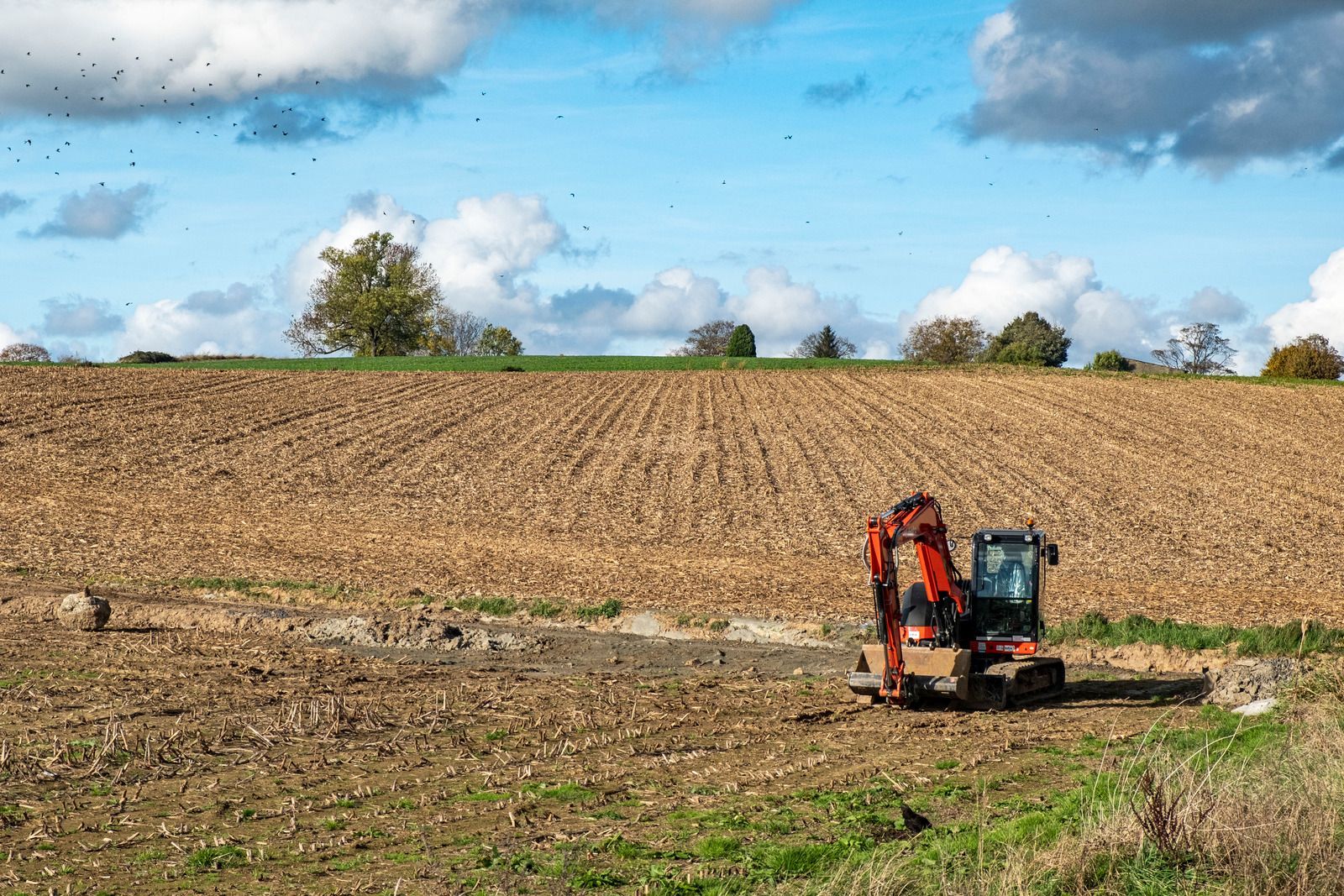
The process is designed to deliver results that extend beyond immediate clearing, creating environments that continue to perform under changing conditions. With a commitment to efficiency, durability, and practical outcomes, forestry mulching becomes a reliable solution for maintaining control over your property while supporting its long-term value and usability.
Frequently Asked Questions
What is forestry mulching and how does it work?
Forestry mulching is a land clearing method that processes vegetation directly into mulch using specialized equipment. Trees, brush, and undergrowth are cut and ground on-site, eliminating debris removal. This creates a protective mulch layer while preserving soil structure, improving land usability, and reducing the need for additional cleanup or hauling.
Is forestry mulching better than traditional land clearing?
Forestry mulching is often more efficient because it combines cutting and cleanup into one process. It reduces soil disturbance, eliminates debris hauling, and creates a protective mulch layer. This approach minimizes environmental impact while improving long-term land stability compared to more aggressive traditional clearing methods that disrupt ground structure.
What types of properties benefit from forestry mulching?
Forestry mulching is suitable for residential, agricultural, and commercial properties. It is especially useful for overgrown land, wooded areas, and undeveloped lots that require clearing. The method improves accessibility, prepares land for future use, and supports ongoing maintenance without causing excessive disruption to the surrounding environment.
How long does a forestry mulching project take?
Project timelines depend on property size, vegetation density, and terrain conditions. Smaller areas may be completed in a day, while larger or heavily overgrown properties may require more time. The process is generally faster than traditional clearing because cutting and cleanup are completed simultaneously during the operation.
Will forestry mulching damage the soil or landscape?
Forestry mulching is designed to preserve soil integrity. By processing vegetation into mulch, it protects the ground from erosion, retains moisture, and reduces disturbance. This method supports healthier soil conditions and maintains the natural structure of the land, making it a preferred option for long-term land management.
Does forestry mulching remove tree roots completely?
Forestry mulching primarily focuses on removing above-ground vegetation and grinding it into mulch. While some smaller roots may be affected, larger root systems typically remain in place. This helps stabilize the soil and reduces erosion while still clearing surface-level growth and improving land usability.
Why choose Carolina Farm & Forest Service in Marshville, North Carolina for forestry mulching?
Carolina Farm & Forest Service in Marshville, North Carolina brings over 30 years of experience to every project, focusing on precision, efficiency, and long-term results. By using structured processes and reliable methods, forestry mulching projects are completed with consistent quality, ensuring land remains functional and manageable.
How often should forestry mulching be performed?
The frequency of forestry mulching depends on vegetation growth, property use, and maintenance goals. Some properties require periodic clearing every few years, while others benefit from more frequent upkeep. Regular mulching helps control overgrowth, maintain accessibility, and prevent land from becoming difficult to manage over time.
What our customers have to say...
Testimonials