Grading Services in Marshville, North Carolina
Strategic Grading Built for Stability, Drainage, and Long-Term Function
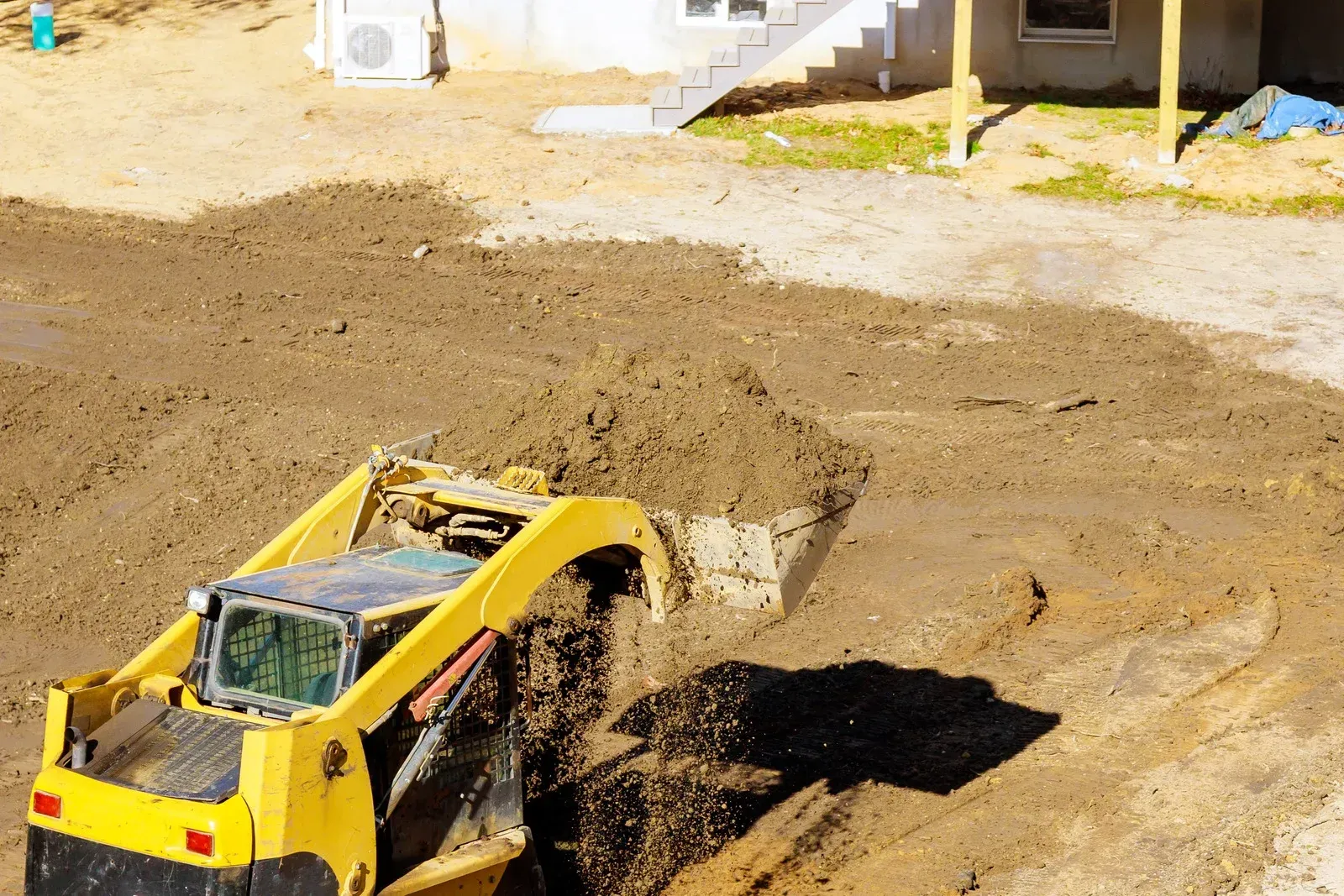
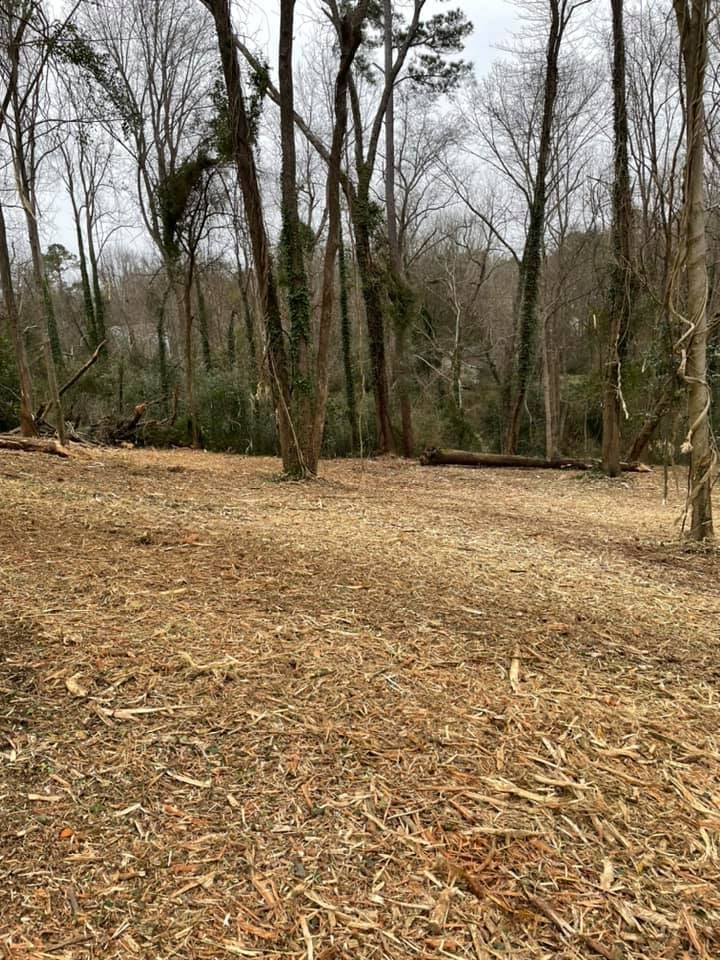
Grading is where land begins to take shape with purpose, transforming uneven terrain into a controlled, functional surface that supports everything built above it. At Carolina Farm & Forest Service, we approach grading as a foundational process that defines drainage, stability, and usability from the ground up. Every pass of equipment is calculated, every slope intentional, and every adjustment designed to create balance across the entire site. With over 30 years of experience, we understand that proper grading is not just preparation—it is the difference between long-term performance and recurring issues.
We serve Marshville, North Carolina, as well as the surrounding areas, including Monroe, Wingate, Wadesboro, and Indian Trail across Union County and nearby regions. In this part of North Carolina, varying soil conditions, seasonal rainfall, and shifting ground moisture require grading solutions that go beyond surface leveling. The land here demands careful shaping to manage water flow, reduce erosion, and ensure structures remain supported through changing environmental conditions.
Our approach focuses on precision, structure, and durability. Grading is carried out with a clear understanding of how the land will be used, ensuring that every contour supports function while maintaining stability over time. From initial site evaluation to final surface preparation, each step is aligned with long-term performance, creating land that works efficiently, drains properly, and remains reliable year after year. Get started with a grading solution designed for long-term performance and dependable results.
Our Grading Services
Site Preparation Grading
Preparing land for construction requires precise grading to establish a stable and level base. This process includes clearing, leveling, and compacting soil to ensure proper support for foundations, structures, and infrastructure, creating a controlled surface that allows construction to proceed efficiently and without complications.
Drainage Grading Solutions
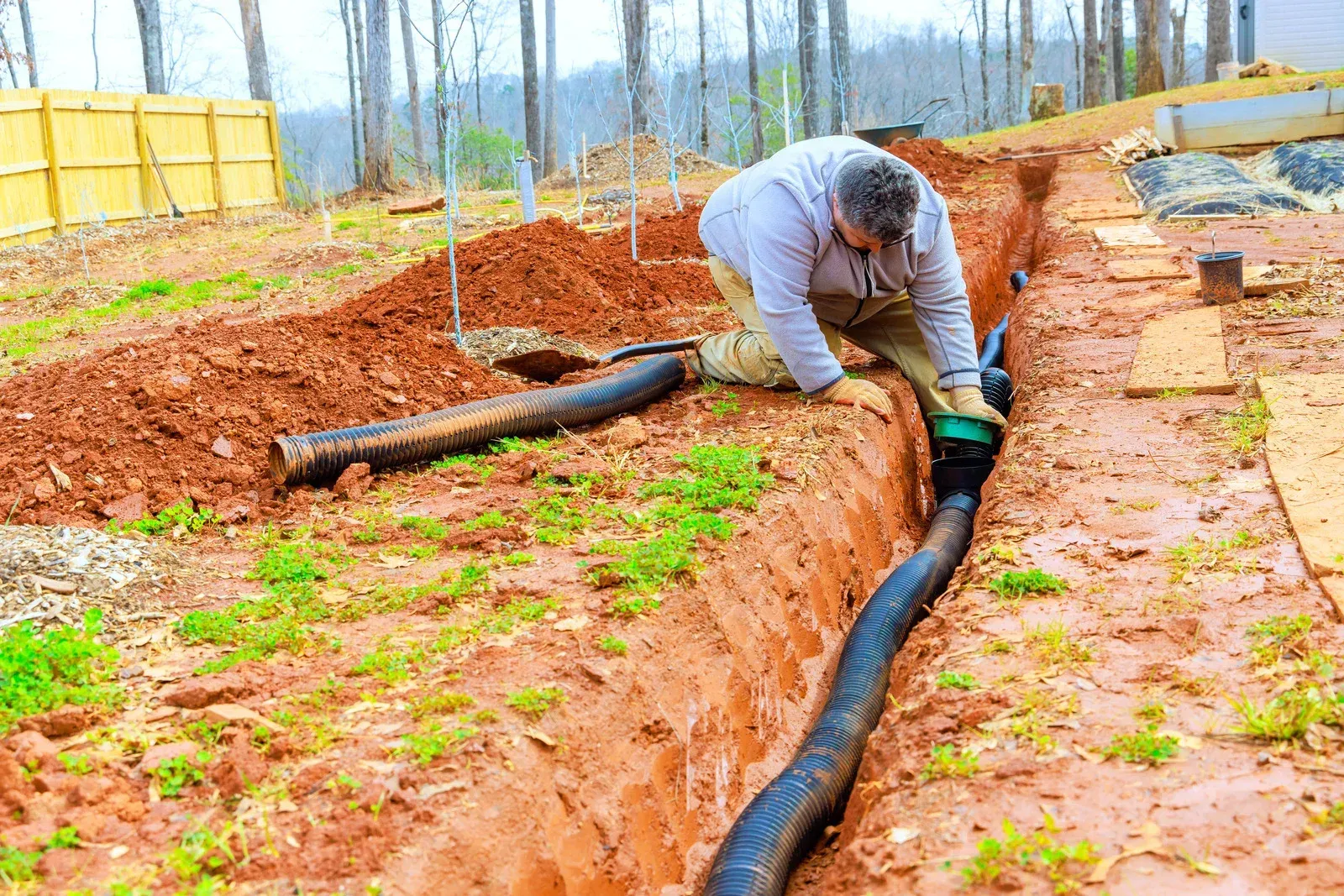
Grading designed for drainage focuses on directing water flow away from structures and vulnerable areas. By creating calculated slopes and channels, it prevents water accumulation, reduces erosion, and ensures that runoff is managed effectively, protecting the integrity of both the land and any structures built on it.
Driveway and Access Road Grading
Creating durable and functional driveways requires proper grading to ensure stability and drainage. This service shapes and compacts the surface to support vehicle use, prevent rutting, and maintain consistent performance, resulting in access routes that remain reliable under regular use and varying weather conditions.
Land Leveling and Slope Correction
Uneven terrain can limit usability and create drainage issues. Land leveling and slope correction adjust elevations to create balanced surfaces, improving both function and appearance while ensuring that water flows properly and the land remains stable, accessible, and suitable for its intended purpose.
Final Grade Finishing
Final grading refines the surface to achieve precise elevations and smooth transitions across the site. This step prepares the land for landscaping, seeding, or construction completion, ensuring that the finished surface meets design specifications and supports long-term performance without irregularities or inconsistencies.
Erosion Control Grading
Grading for erosion control focuses on stabilizing soil and preventing displacement caused by water movement. By shaping the land strategically, it reduces runoff impact, maintains soil integrity, and supports vegetation growth, creating a balanced environment that resists erosion and remains stable over time.
Benefits of Professional Grading
Improved Drainage Control
Proper grading directs water away from structures and critical areas, preventing pooling, erosion, and long-term damage. By shaping the land to manage runoff efficiently, it reduces the risk of foundation issues, soil displacement, and standing water, creating a stable environment that supports consistent performance across seasons.
Enhanced Structural Stability
Grading creates a balanced base that supports buildings, driveways, and other structures. By correcting uneven ground and compacting soil properly, it minimizes shifting, settling, and structural stress over time, ensuring that every element built on the land maintains integrity and performs reliably without unexpected movement.
Erosion Prevention
Uncontrolled slopes and uneven surfaces lead to soil erosion, especially during heavy rainfall. Grading stabilizes the landscape by managing slopes and directing water flow, reducing soil loss and preserving the integrity of the land while maintaining consistent ground conditions that support vegetation, structures, and long-term usability.
Optimized Land Usability
Grading transforms irregular terrain into functional space that can be used for construction, landscaping, or agricultural purposes. By leveling and shaping the land, it creates surfaces that are easier to work with, improving accessibility, usability, and efficiency for both residential and commercial applications across different environments.
Foundation Preparation Accuracy
A properly graded site ensures that foundations are installed on stable, level ground. This reduces the risk of uneven settling and structural complications, allowing construction to proceed with confidence and ensuring that the base of any project is aligned, supported, and built to maintain long-term structural performance.
Long-Term Maintenance Reduction
Well-executed grading minimizes future issues such as drainage problems, soil movement, and surface irregularities. By addressing these factors at the start, it reduces the need for ongoing repairs and maintenance, saving time and resources while ensuring that the land continues to perform efficiently over extended periods.
Create Proper Slopes That Protect Land and Structures
Grading defines how land performs long after the work is complete, influencing drainage, stability, and usability in ways that cannot be corrected easily once overlooked. At Carolina Farm & Forest Service, every grading project is approached with a clear focus on long-term results, ensuring that the land is shaped to support both current use and future demands. From managing water flow to creating stable foundations, each detail is handled with intention and precision. In Marshville, North Carolina, where soil conditions and seasonal changes require careful planning, grading becomes an essential step in building reliable, functional spaces.
By combining experience with a structured approach, we create land that performs consistently, resists environmental stress, and remains dependable over time, providing a foundation that supports lasting success.
Frequently Asked Questions
What is grading and why is it important?
Grading is the process of shaping and leveling land to control elevation and drainage. It is important because it establishes a stable base for construction, prevents water accumulation, and ensures proper surface flow. Without proper grading, properties can experience erosion, structural issues, and long-term maintenance challenges that affect overall performance.
How does grading improve drainage?
Grading improves drainage by creating slopes that guide water away from structures and low areas. This prevents pooling and reduces the risk of water damage. By managing how water moves across the land, grading helps maintain soil stability and protects both the surface and any structures built on it.
When is grading required for a project?
Grading is required before most construction, landscaping, or land development projects. It is essential whenever land needs to be leveled, slopes adjusted, or drainage controlled. Proper grading ensures that the site is prepared to support structures and maintain performance, making it a critical first step in many projects.
Can grading fix existing drainage problems?
Yes, grading can correct many drainage issues by reshaping the land to improve water flow. By adjusting slopes and elevations, it redirects water away from problem areas, reducing pooling and erosion. This creates a more controlled environment that supports long-term stability and prevents recurring water-related problems
How long does a grading project take?
The duration of a grading project depends on the size of the site, soil conditions, and the complexity of the work required. Smaller projects may take a few days, while larger or more complex sites can take longer. Proper planning ensures that each stage is completed efficiently and accurately.
What equipment is used for grading?
Grading typically involves heavy equipment such as bulldozers, excavators, and compactors. These machines are used to move, shape, and compact soil with precision. The choice of equipment depends on the specific requirements of the project, ensuring that the land is graded accurately and efficiently.
Why choose Carolina Farm & Forest Service in Marshville, North Carolina?
Carolina Farm & Forest Service in Marshville, North Carolina brings decades of experience in land management and grading. Our approach focuses on precision, durability, and long-term performance. Every project is handled with careful planning and execution, ensuring that the land is shaped to support both immediate needs and future use.
Is grading necessary for landscaping projects?
Yes, grading is often necessary before landscaping to ensure proper soil levels and drainage. Carolina Farm & Forest Service in Marshville, North Carolina performs grading to create a stable base for planting, hardscaping, and outdoor design. This helps landscapes remain functional, visually balanced, and resistant to water-related issues over time.
What our customers have to say...
Testimonials