Grading Services in Indian Trail, NC: Ensure Proper Drainage and Foundation Stability
Grading in Indian Trail, NC establishes proper slope and drainage to protect foundations, prevent water pooling, and prepare sites for construction using specialized techniques for different soil and terrain conditions.
How Does Grading Prevent Water Damage Around Foundations?
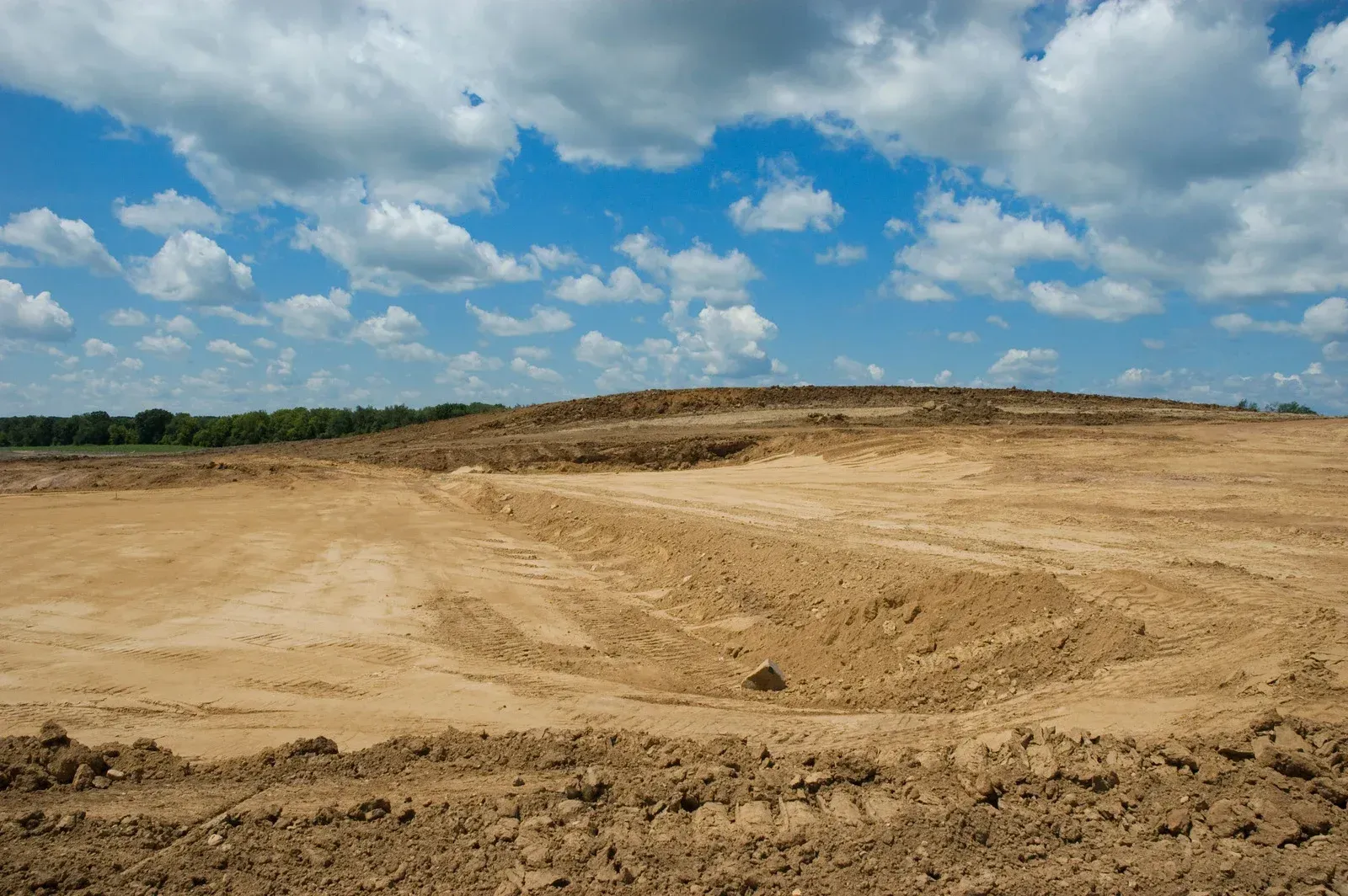
Correct grading directs runoff away from structures by creating gentle slopes that guide water toward drainage points or swales.
Water naturally flows downhill, so improper grading sends it toward your home or building instead of away. Over time, pooling near foundations causes cracks, settling, and basement leaks. Even a two-percent slope over ten feet makes a significant difference.
Professional grading ensures water moves efficiently without eroding soil or creating channels. Operators check elevations at multiple points, adjusting soil depth and compaction to meet engineering specs. The result is a stable base that sheds water during heavy storms.
Which Soil Types Require Special Grading Techniques?
Clay, sand, and loam each demand unique compaction, moisture control, and stabilization methods to achieve reliable grades.
Indian Trail's Piedmont soils include red clay that holds water and swells when wet, making it difficult to compact evenly. Sandy soils drain quickly but shift easily under weight. Loamy mixes offer better structure but still need proper compaction to support buildings or driveways.
Operators adjust equipment, moisture levels, and layering based on soil tests. Clay may require geotextile fabric or lime treatment to stabilize. Sand needs careful compaction in thin lifts to prevent voids. For homeowners seeking gravel driveway repair services in Indian Trail, NC , understanding soil behavior helps maintain long-term driveway performance.
Tailored techniques prevent settling, erosion, and costly repairs down the line.
What Equipment Handles Rough or Sloped Terrain?
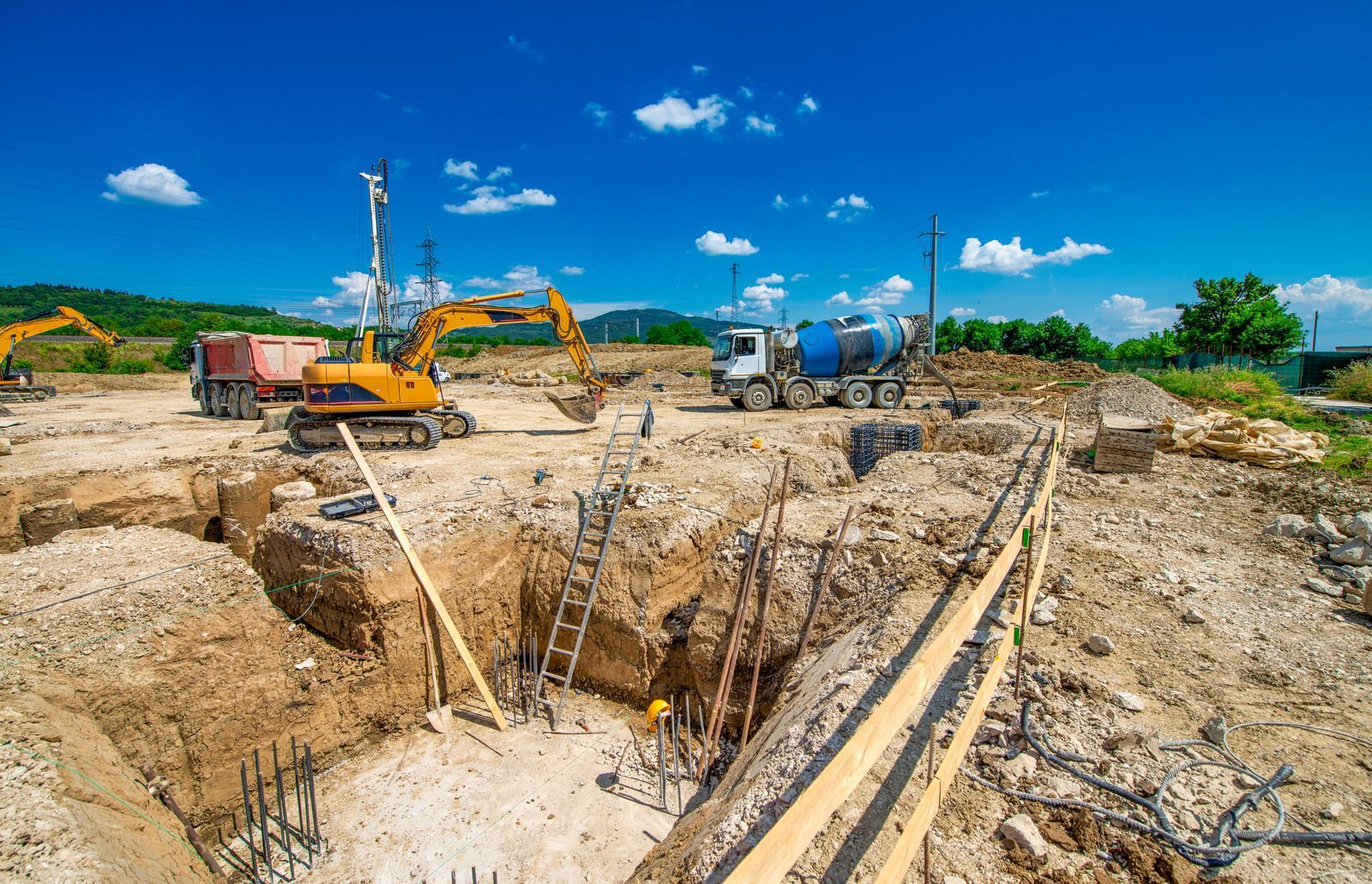
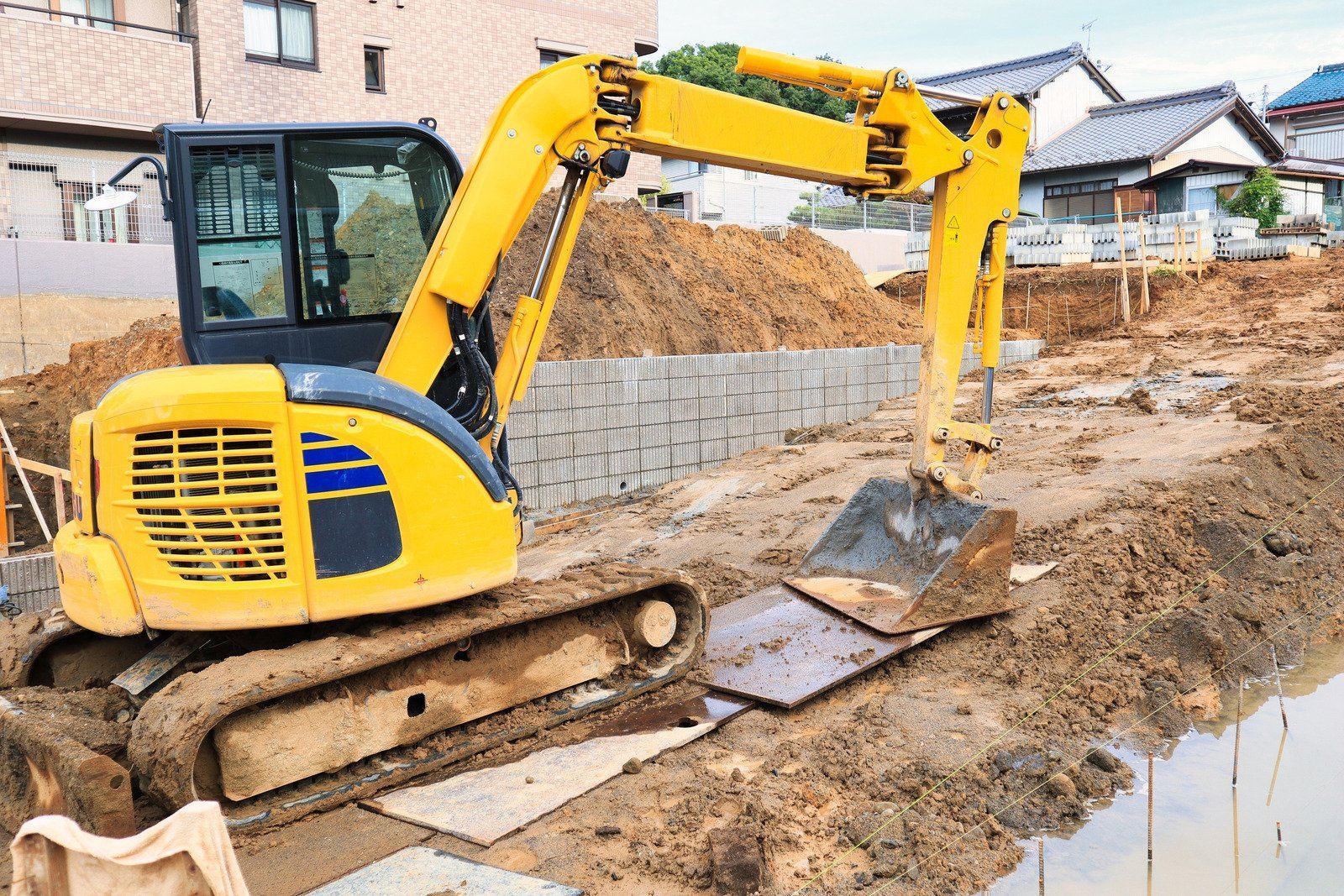
Tracked dozers, laser-guided graders, and compact excavators manage steep grades, rocks, and uneven ground with precision and safety.
Flat suburban lots are straightforward, but Indian Trail also includes rolling hills and wooded parcels. Tracked equipment distributes weight to avoid getting stuck or compacting soil excessively. Laser systems maintain exact elevations even when operators cannot see reference points.
Compact machines access tight spaces between trees or near utilities without damaging existing features. Skilled operators adjust blade angles and passes to smooth transitions and avoid creating low spots where water collects.
How Indian Trail's Growth Affects Grading Standards
Rapid residential and commercial development in Indian Trail has led to stricter stormwater regulations and engineering review for new grading projects.
The town and Union County require detailed grading plans for most new construction, including calculations for runoff volume and velocity. Developers must show how grading integrates with detention ponds, culverts, and existing drainage systems.
Inspectors verify compaction and slope before allowing foundation or paving work to proceed. Non-compliance leads to stop-work orders and expensive rework. Understanding these local requirements from the start keeps projects on schedule. If you also need land clearing services in Charlotte, NC , similar regulations apply across Mecklenburg County for residential and commercial sites.
Proper grading protects your investment by ensuring stable foundations, effective drainage, and compliance with local codes. Carolina Farm & Forest SVC LLC combines precise equipment with knowledge of Indian Trail's soil and regulatory landscape.
Plan your grading project with experts who understand local terrain and standards, and see how quality work prevents future headaches by calling 704-291-0845.